Flowing Floral Embroidery Design Review
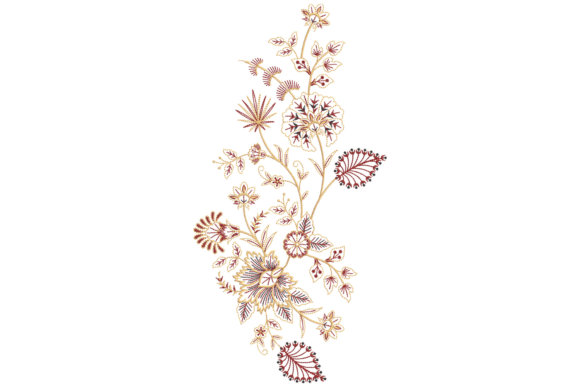
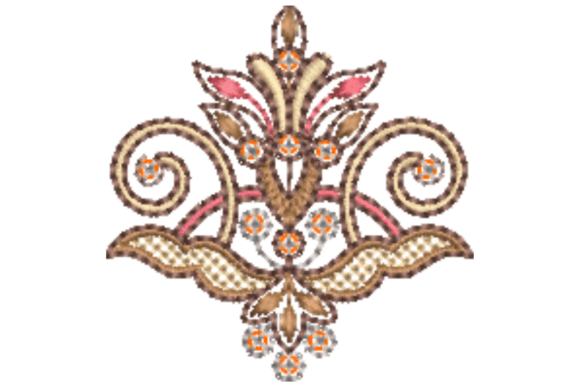
As I set up my table for the upcoming weekend craft fair, the difference between a good machine embroidery design and a bestseller often comes down to how it translates from a digital screen to a tangible handmade product. Today, I am putting the Flowing Floral Embroidery Design through its paces. This isn't just about checking if the stitches lay flat; it is about determining if this specific embroidery file will stop a shopper in their tracks amidst a sea of competing booths. The description promises a harmonious blend of floral leaves, blooming flowers, and beautifully intertwined curved lines that create a sense of movement and rhythm. In the high-pressure environment of a market, that "movement" is exactly what we need to draw the eye.
First Impressions: Elegance Meets Movement
When I first loaded the Flowing Floral Embroidery Design into my software, the initial impression was one of sophisticated elegance. Unlike rigid, geometric patterns that can feel stiff on fabric, this design feels organic and alive. The beautifully intertwined curved lines suggest a modern yet timeless aesthetic that fits perfectly into the current trend of elevated farmhouse and boutique-style decor. It does not scream for attention with neon colors or chaotic shapes; instead, it whispers quality. For an Etsy seller or a booth owner looking to build a brand around refined craftsmanship, this digital embroidery file offers a premium look that justifies a higher price point.
The composition's rhythm is crucial. When a customer walks by your display, their eyes scan quickly. A design with a clear flow guides the eye across the product, encouraging them to linger. The Flowing Floral Embroidery Design achieves this by balancing negative space with the density of the blooms. It feels decorative without being overwhelming, making it a versatile asset for any creative entrepreneur.
Product Performance: Where Does It Shine?
Now, let's talk about application. I have laid out several potential craft fair products to test where this design performs best. The versatility of the Flowing Floral Embroidery Design is its strongest selling point, but some applications clearly outperform others.
- Tote Bags and Market Bags: On a sturdy canvas tote bag, the flowing lines of the design stand out beautifully. Because the pattern has a natural curve, it adapts well to the rectangular shape of a bag, especially when placed near the bottom corner or centered as a large focal point. It transforms a plain utility item into a stylish accessory.
- Tea Towel Embroidery: This is a standout category. The texture of linen or cotton towels adds depth to the blooming flowers. The softness of the fabric complements the gentle curves of the design. A white towel with earthy thread colors creates a classic, giftable handmade product that appeals to home decor enthusiasts.
- Apron Embroidery: Placing this design on the bib of an apron elevates a kitchen essential into a fashion statement. The vertical flow of the floral elements works well with the vertical drape of an apron, creating a cohesive visual line.
- Embroidered Patches: While possible, patches require careful consideration. If the design is too intricate, small details might get lost when cut out. However, used as a large patch on a denim jacket or backpack, the Flowing Floral Embroidery Design becomes a bold statement piece.
- Pillow Covers: For home goods, this design is perfect. The softness of the pillowcase allows the thread to pop, and the rhythmic nature of the pattern makes it suitable for both modern and traditional living spaces.
Practical Production and Selling Points
For a small shop product line, efficiency is key. One of the primary advantages of the Flowing Floral Embroidery Design is its clarity. Even at a glance, the subject matter is immediately recognizable as floral art. This reduces the cognitive load on the buyer; they don't have to squint to figure out what they are looking at. Furthermore, because the design relies on flow rather than tiny, isolated text, it photographs exceptionally well for online listings. High-quality photos of these items on a printable mockup or a real-life setting will likely convert browsers into buyers.
The design also feels repeatable for batch production. Once you have dialed in the thread colors and stabilizer settings, you can produce multiple units with consistent results. This consistency is vital for maintaining brand consistency across your booth or online store. Whether you are selling five items or fifty, the quality remains uniform, which builds trust with your customers.
Visual Appeal and Buyer Engagement
In a crowded marketplace, visual appeal dictates engagement. The Flowing Floral Embroidery Design enhances the perceived value of the finished product. A simple tea towel becomes a luxury item when adorned with this elegant motif. The intricate intertwining of leaves and flowers suggests time and care were put into the creation process, even if it was machine-stitched. This perception of handmade quality is what drives sales. Customers are willing to pay more for items that look curated and designed rather than mass-produced and generic.
Designer Notes: Critical Considerations
While the Flowing Floral Embroidery Design is impressive, there are practical hurdles every designer must address before committing to a full production run. Here are my professional notes on avoiding common pitfalls:
- Stitch Density and Fabric Texture: The description mentions a "harmonious blend," which implies varying densities. Be cautious with textured fabrics like thick terry cloth or heavy denim. Dense stitch areas may sink into the fabric loops, obscuring the delicate details of the floral leaves. Always test the design on scrap fabric first to ensure the stitch density doesn't cause puckering.
- Thread Contrast: The beauty of the curved lines depends heavily on contrast. On dark fabric, light threads will make the design pop, but be wary of using dark threads on black fabric, as the Flowing Floral Embroidery Design may lose its definition. Experiment with metallic or variegated threads to add dimension.
- Hoop Size and Spacing: Ensure your hoop size accommodates the full flow of the design. Cropping the edges of the intertwined lines can ruin the rhythm. Check the spacing carefully, especially if placing the design near seams or hems, to avoid stitching over existing folds.
- Small Scale Limitations: While beautiful large, do not shrink this design for small caps or tiny pouches. The tiny details in the flower petals may become muddy or indistinguishable at smaller sizes. Stick to medium-to-large applications for the best results.
- Stabilizer Selection: Given the flowing nature of the lines, a strong tear-away or cut-away stabilizer is non-negotiable. You need the backing to support the long runs of satin stitches without distortion.
Final Verdict for the Craft Fair Seller
If you are preparing for a weekend market or launching a new line on Etsy, the Flowing Floral Embroidery Design is a strong contender for your inventory. Its elegant, moving composition resonates with customers looking for sophisticated, non-cheesy decor and accessories. It bridges the gap between rustic charm and modern minimalism, appealing to a broad demographic.
However, success lies in execution. Do not skip the testing phase. Create at least one real mockup to see how the light hits the threads. Compare different fabric colors to find the most striking combination. And always confirm your commercial embroidery licensing terms before selling any finished goods. By treating this design asset with the respect it deserves and pairing it with high-quality materials, you can turn a digital file into a profitable, eye-catching centerpiece for your business.
Remember, the goal is not just to sell a product, but to sell an experience. The Flowing Floral Embroidery Design offers that experience through its rhythm and grace. Use it wisely, test thoroughly, and watch your booth attract the right kind of customer.